
Cold Weather Coats & Parkas, Down or Synthetic Fill Jackets for Winter
There's an overwhelming variety of winter coats and jackets designed to beat the cold, some are stylish, others highly practical. We focus on finding the ones that strike the best balance of functionality and value for money.
 This is the USA page |
Australia / NZ
This is the USA page |
Australia / NZ
 |
UK
|
UK

Quick purchase links
-
3-in-1 Jackets, wind and waterproof shell, separate insulating jacket: Men's Women's
-
Military extreme cold weather clothing (Budget): Here
Your outer layer should be windproof, and ideally waterproof as well (though in extreme cold, that's a different consideration). Since Antarctica is the windiest place on Earth, windproofing is the single most important feature of your shell layer. Don't assume that "mostly windproof" is good enough, it isn't.
Antarctica does proper wind. Proper biting - gets through every nook and cranny - straight to the bones wind.
Features to look for in a coat for extreme cold conditions
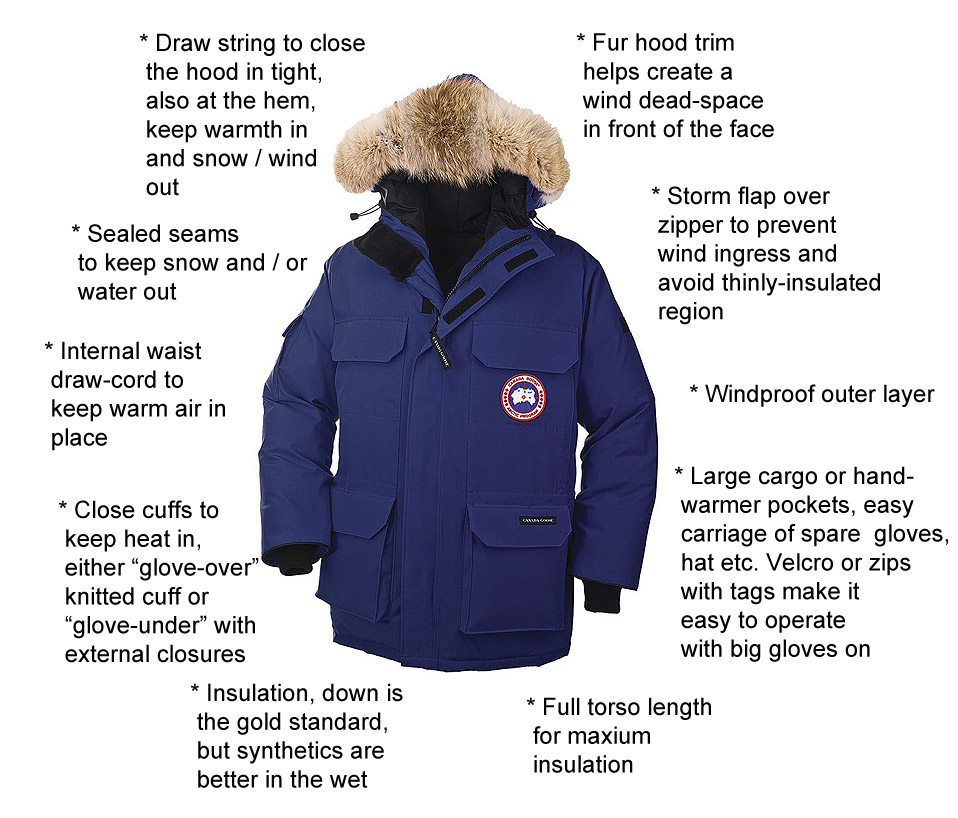
Cold-weather shell layers are always windproof, but not necessarily waterproof. This makes them softer, more flexible in extreme cold, and often more affordable in budget-friendly coats. Water resistance is usually sufficient unless you'll be spending long periods in wet conditions. In very cold climates, liquid water isn't an issue at all.
Down is the gold-standard insulation for the harshest conditions, relied on in both the Far North and Far South during winter.
Thanks to its exceptional lightness and compressibility, down is also a popular choice for mid-layer jackets, sweaters, and hoodies, delivering impressive warmth for weight and packing down into a remarkably small bag, ready to be pulled out whenever needed.
Down - 500 / 600 / 700 fill - what does this mean? "Fill power" measures the quality and insulating ability of down. The higher the number, the better, generally. It's calculated by compressing one ounce of down, then letting it expand to see how many cubic inches it fills. A higher fill power means greater warmth for less weight, plus better compressibility when packing your garment away.
Synthetic insulation performs better than down in cold, damp conditions, as it retains warmth even when wet. While it's slightly heavier and less compressible than down at the same insulation level, it's also more affordable.
Garment details - High-quality insulation, and plenty of it, is essential for a jacket built for extreme cold. Just as important, however, is the garment's design, which maximizes the insulation's effectiveness, eliminates cold spots, and adds versatility for changing conditions.
Draw cords, adjustable cuffs, and vents let you seal in warmth when the wind and snow are blowing or open up for airflow if it gets warmer, snow creeping into every nook and cranny is no joke
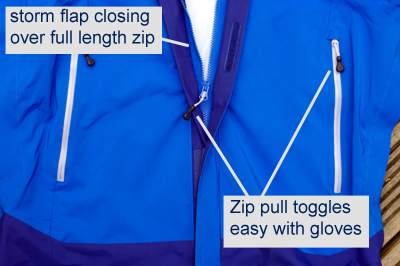
Tapes or toggles on zipper pullers make them easy to use with gloves or mittens. Storm flaps that cover the main zipper prevent heat loss through this weakly insulated area while also keeping out wind, snow, and rain.
Cost - Quality insulation doesn't come cheap, and it makes little sense to pair it with a jacket that cuts corners elsewhere. That's why well-insulated jackets are typically built with other premium materials and thoughtful features that enhance warmth, comfort, and versatility, resulting in a mid- to high-end product.
Bulk and weight - It may sound obvious, but a coat built to keep you warm in subzero temperatures and blizzard conditions has to be substantial. Even with the best, lightest insulation available, it will never be as lightweight as a fall jacket, no matter what the marketing claims. There's no miracle fabric that's both ultra-thin and super-effective, insulation is always a matter of trade-offs
3 in 1 Jackets - A great choice if you're not facing extreme cold. These systems combine two layers: an outer shell that's wind- and waterproof, and an inner insulating layer, often down, synthetic, or fleece, that's at least wind-resistant, if not windproof. In warmer weather, each layer can be worn on its own; when the temperature drops, they can be joined together, typically by zips or press-studs, to function as a single jacket. Because they're designed to integrate, the fit and performance are much better than trying to pair two separate jackets.
The dual-layer design also traps air between the layers, adding extra insulation and making the coat noticeably warmer than it might appear at first glance. More about 3 in 1 jackets.
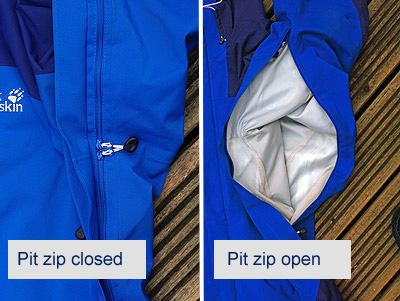
"Pit Zips" a feature found on some outer waterproof layers such as in the picture above of a 3 in 1 jacket. These consist of two zip pullers starting at the armpit: one running toward the elbow, the other down the side of the torso. They can be opened even in the rain, providing substantial ventilation without removing the jacket. It's almost as effective as unzipping the front, but without letting in wind or causing the jacket to flap around. A clever design that adds real versatility and comfort.
What about wool? - Wool is a classic choice for winter coats, and high-end wool garments can cost far more than anything featured here. However, wool alone is not ideal for truly cold conditions, whether windy or still. It works well for stylish coats where appearance matters most, or for short trips from the car park into a heated building, but it cannot match the performance of a well-designed modern insulated jacket. In many ways, a wool coat is like an elegant car built with century-old technology. That said, wool excels as an insulating or base layer when worn beneath a protective outer shell.
-
3-in-1 Jackets, a wind and waterproof outer shell with a separate insulating inner jacket, either can worn alone or combined.
Men's Women's -
Gore-Tex breathable waterproof outer shell jacket
Men's Women's -
Military extreme cold weather clothing, military style or surplus, effective if not conventionally stylish. These usually rely on layering for effectiveness and so outer garments may be an uninsulated shell intended to go over insulating layers underneath.
Here
Women's Down Jackets and Parkas
Men's down the page
Recommended Women's Winter Coats
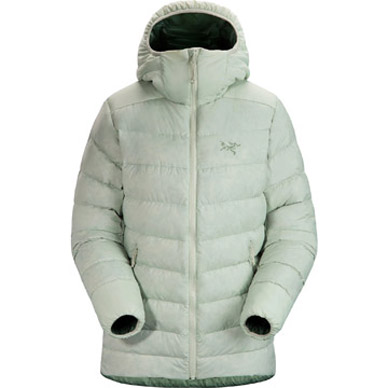
Arc'teryx Thorium XLong Parka - Women's
750 fill down fill, for cold
dry conditions
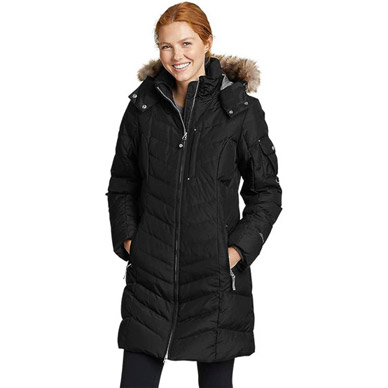
Eddie Bauer Women's Sun Valley Down Parka
- Women's
Long, water resistant,
hooded parka 650 down fill
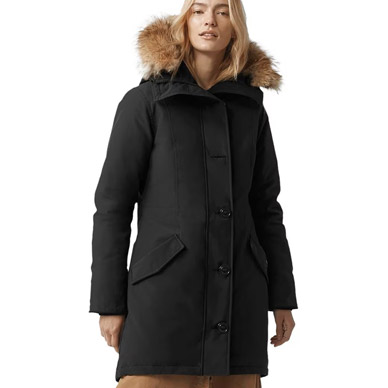
Canada Goose Rossclair Parka - Women's
cold weather warmth, down
filled
more women's Canada Goose parkas
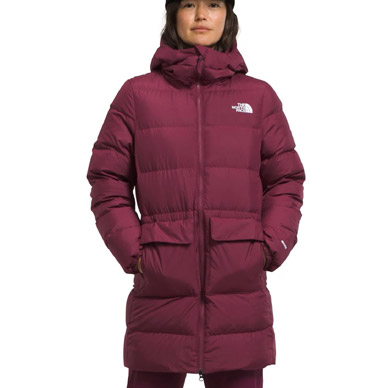
North Face Arctic Insulated Down Parka -
Women's
Water
repellant, breathable, thigh length,
600 fill down filled
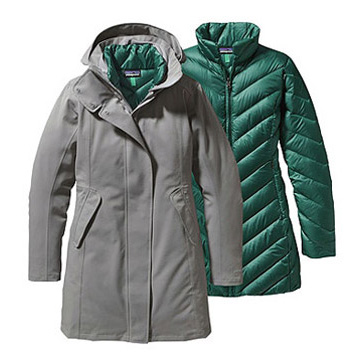
Patagonia Tres 3-in-1 Parka - Women's
Waterproof shell, down-filled
inner, wear separately or together. -
Men's
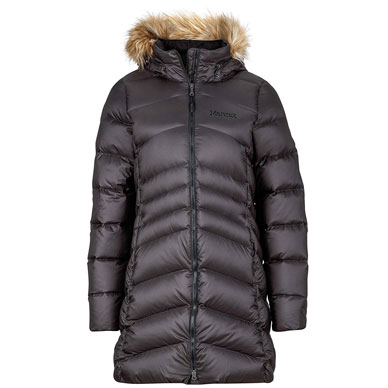
Marmot Montreaux Full-Length Down Puffer
Coat - Women's
700 down fill,
zip-off hood with detachable faux-fur ruff.
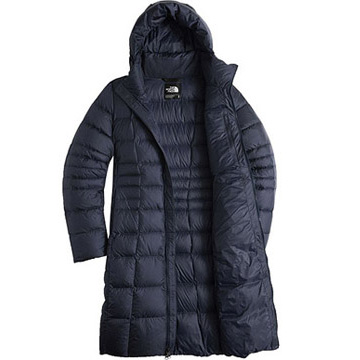
North Face Metropolis Parka - Women's
City styled, fitted, full length,
550 down fill, water resistant.
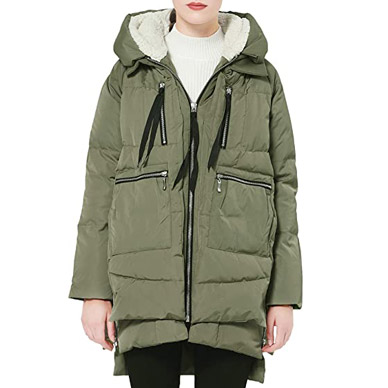
Orolay Thickened Down Jacket - Women's
Windproof water resistant shell, 90%
down / 10% feather fill,
select with or without faux fur trim
Budget Choice
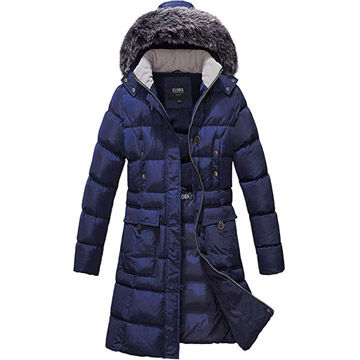
Elora 47" Winter Puffer - Women's
|
vegan
Mid Length,
Cargo Pocket, Fur Trim, Removable Hood,
synthetic insulation.
Budget Choice
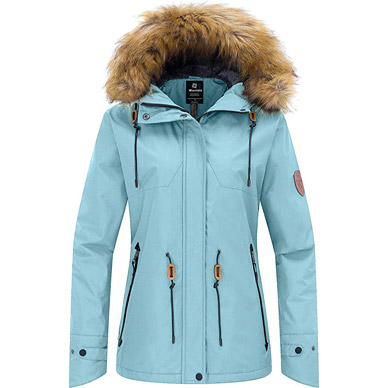
Wantdo waterproof and windproof snow jacket
- Women's |
Men's
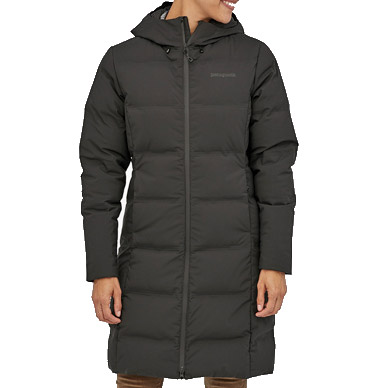
Patagonia Jackson Glacier - Women's
Super warm 700 down fill
insulation -
Men's
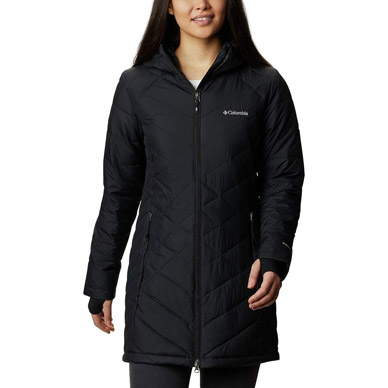
Columbia Heavenly Long HDD Jacket
- Women's
insulated, windproof
Men's Down Jackets and Parkas
Recommended Men's Winter Coats
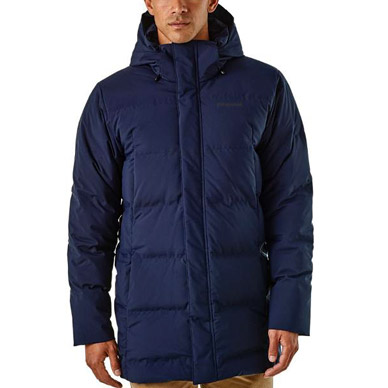
Patagonia - Men's Jackson Glacier Parka
Water-repellent, recycled
700 down filled, thigh length
Women's
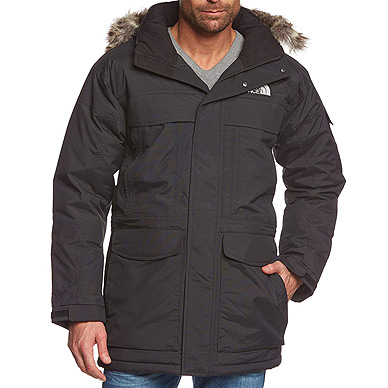
The North Face McMurdo Parka - Men's
Waterproof,
breathable outer, 600 fill down
insulation, faux fur trim

REI Stormhenge 850 Down Hybrid Jacket -
Men's
Waterproof, breathable
outer, 850 down synthetic
blend insulation -
Women's

Fjallraven - Expedition Down Jacket - Men's
Very
warm goose down and feather filled jacket
-
Women's
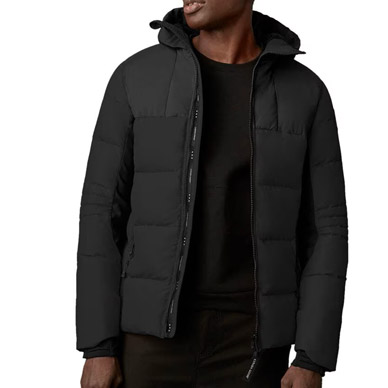
Canada Goose Chilliwack Bomber Down Parka
- Men's
Style and functionality,
rugged outer, 625 down
filled.
more men's Canada Goose parkas
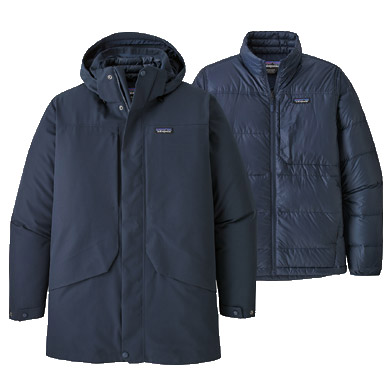
Patagonia Tres 3-in-1 Parka - Men's
Waterproof shell,
down filled
inner, wear separately or together. -
Women's
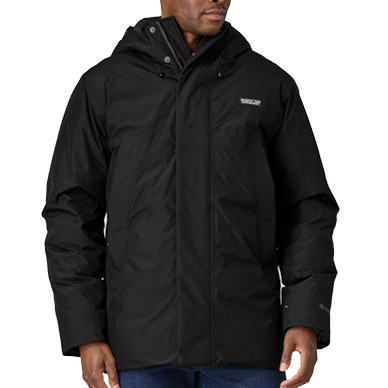
Patagonia Stormshadow parka - Men's
Waterproof, breathable, Gore-Tex, fully
featured
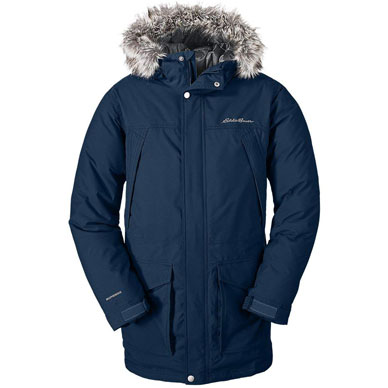
Eddie Bauer Seabeck Down Parka - Men's
Water resistant, breathable shell,
650 down
Budget Choice
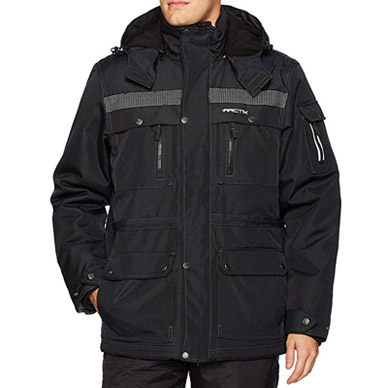
Arctix Men's Performance Tundra Jacket
lightweight, synthetic
insulation, rated -20F to +35F
Budget Choice
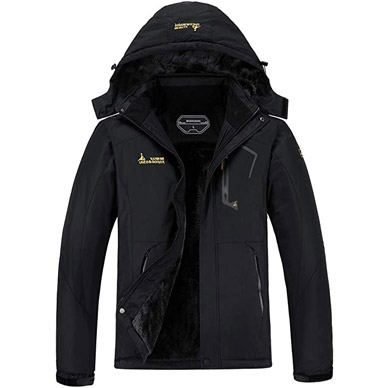
MOERDENG Warm Winter Snow Coat - Men's
Waterproof Ski Jacket, Windbreaker, Hooded
Women's - 14 Colors