
Lower Your Carbon Footprint
Address Climate Change
Help Keep Antarctica Cool. Help Reduce the effects of Global
Warming on Antarctica and the rest of the world.
Quick printer friendly version of
this page
Word
.pdf
Connected pages: climate change facts and overview | Antarctica and climate change | climate change misconceptions
You'll find plenty of lists of "How to save the world in easy steps", and a lot of them are fiddly little things that it's a problem to remember and sometimes a pain to do. There's also the fact that some make a huge difference, while others though terribly worthy may be wiped out by that light-bulb you forgot to turn off last night.
These are ways to reduce the amount of greenhouse gases, chiefly carbon dioxide, that you are personally responsible for releasing. Some are obvious, drive a car and carbon dioxide (CO2) comes directly out of the exhaust, so drive it less and get one that produces less of it. Some are less obvious, buying just one new shirt instead of two that you don't really need saves on CO2 emissions in production and transport.
In approximate order of effectiveness
Don't Fly - Or At Least Cut Down
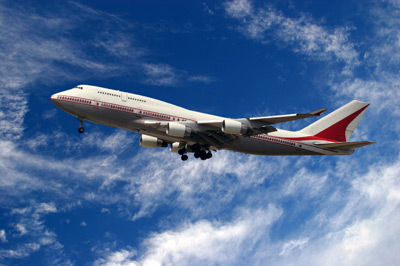 Flying
is the one (usually unnecessary) thing we do that can have the
biggest immediate effect on greenhouse gas emissions.
Flying
is the one (usually unnecessary) thing we do that can have the
biggest immediate effect on greenhouse gas emissions.
Long-haul flights are the worst as they have to carry extra fuel that in the early part of the journey that is burnt to carry the extra fuel that is needed in the later parts of the journey - short-haul flights don't need to do that to the same extent, so the kilometres per litre or miles per gallon for fuel burnt is better with short haul than long haul flights.
So how bad is it?
A single long-haul return flight, say from Europe to Australia, South America or the Far East can release about as much CO2 as driving 15,000 miles in a fairly standard 1.4L car on your own (and yes that is per person, you don't divide it by all the people on the plane). The average annual mileage by a motorist in the UK is about 10,000, so one long-haul airline round trip is the same as 18 months of normal motoring - and wipes out an awful lot of eco-friendly bike-riding in a single stroke.
All of these thing produce about the same amount of CO2
- 15,000 miles (18 months worth) of motoring in an average size standard car
- 1 return long-haul flight e.g. UK to Australia, South America or the Far East
- 3 return medium-haul flights e.g. UK to East Coast USA, Africa or India
- 6 return short-haul flights e.g. UK to Europe, USA internal.
Good for You
Discover all those not-so-far-away places you always
meant to go to, but never got around to.
The
realization that a holiday is a state of mind as much
as a matter of geography.
Save money and time
on long haul trips, not to mention being jet lagged
instead of enjoying your holiday.
Good for Everyone
Lots and lots less carbon dioxide released into the
atmosphere.
Less fossil fuel usage - means it
will ultimately last longer.
Less other pollutants
(such as nitrous oxides) released by the aircraft too.
Dump The SUV or Pickup - Get A Less Polluting Car
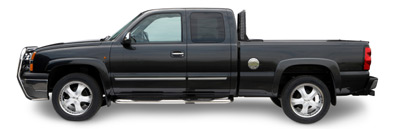 You
can probably reduce your CO2 emissions by getting
a more fuel efficient vehicle.
You
can probably reduce your CO2 emissions by getting
a more fuel efficient vehicle.An MPV will do pretty much the same job as an SUV for a considerable saving in fuel and emissions while giving a similar internal space, though maybe not being so good at mounting a machine-gun on the back and taking part in a limited regional armed conflict or hauling a whole winter's worth of lumber from the back-woods - hands up who needs to do those things?
Relative CO2 emissions (approximate guide):
| Small petrol 1L | 0.85 |
| Hybrid e.g. Honda Insight | 0.82 |
| Supermini 1.4L or smaller | 0.90 |
| Family car 1.5L engine or smaller* | 1 |
| Family car larger than 1.5L | 1.1 |
| MPV 1.5L engine or smaller | 1.2 |
| MPV car larger than 1.8L | 1.25 |
| Coupe between 1.9 and 3L | 1.37 |
| Executive car 2.5L or less | 0.93 |
| Executive car larger than 2.5L | 1.7+ |
| SUV 3L or smaller | 1.37 |
| SUV larger than 3L | 2.0+ |
* Based on 2021 Skoda Octavia 1.5 TSI, Family car of the year category winner, average CO2 emissions, 128g/km, 50 mpg.Environmental data on all current cars here
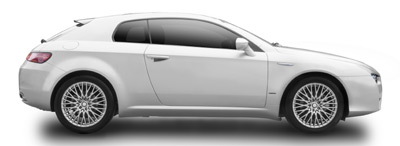 Also
- hybrid alone doesn't always mean low
emissions, some hybrid SUV's with large 3L+ engines have
emission levels far above many standard family petrol and diesel
models.
Also
- hybrid alone doesn't always mean low
emissions, some hybrid SUV's with large 3L+ engines have
emission levels far above many standard family petrol and diesel
models.
No-one needs to always drive around in something the size of a school bus, safety considerations are partly negated by the increased tendency of SUVs to overturn in accidents as they're top-heavy, they are also more dangerous to pedestrians and cyclists. So help the planet, the Poles and get a car that can go round corners better and is far more fun to drive.
Good for You
Spend less cash on transport costs without going
anywhere less often or doing it any slower.
Good for Everyone
Lots and lots less carbon dioxide released into the atmosphere.
Less particulate pollutants released which cause respiratory illnesses, especially in cities.
Less fossil fuel usage - means it will ultimately last longer.
Get More Efficient Refrigeration
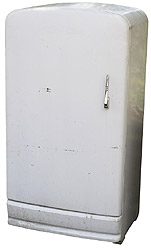 In
most homes, the single most energy-hungry appliance over the
year is the refrigerator. It might not use much electricity
on a day to day basis, but it is always on, 24/7/365. Buy the
most energy efficient model you can - it will be cheaper in
the long run. Less efficient models are usually less expensive
to buy up front, though the initial cost price difference is
getting smaller compared to more effective appliances.
The extra running cost of electricity of cheaper models
easily wipes out the
initial cost-saving.
In
most homes, the single most energy-hungry appliance over the
year is the refrigerator. It might not use much electricity
on a day to day basis, but it is always on, 24/7/365. Buy the
most energy efficient model you can - it will be cheaper in
the long run. Less efficient models are usually less expensive
to buy up front, though the initial cost price difference is
getting smaller compared to more effective appliances.
The extra running cost of electricity of cheaper models
easily wipes out the
initial cost-saving.If you need an extra freezer, then get a chest freezer rather than an upright - they are significantly more efficient. Open the door of an upright freezer and all the heavy cold air falls out (hot air rises, cold air falls) to be replaced with warmer air which needs refrigerating again when you shut the door. Chest freezers retain their cold air when the lid is opened and they also usually have better insulation than an upright - a much more effective choice in every way - especially for somewhere other than in the kitchen.
Good for You
Spend a lot less cash on your electricity bill for no loss of refrigeration convenience or efficiency.
Good for Everyone
Lots and lots less carbon dioxide released into the atmosphere
Reduce Space Heating Requirements
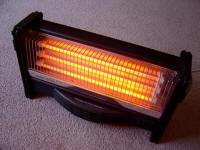 The
second largest energy user is frequently the heating of a living
or working environment.
The
second largest energy user is frequently the heating of a living
or working environment.
Use curtains on windows to keep the heat in and shelves above radiators (about 2" / 5cm above) to deflect heat outwards rather than up under curtains where radiators are so frequently placed and the heat lost in heating the window.
Turn the thermostat down by 1 degree - 2 is better. 1 degree Centigrade will save around 10% of the energy needed and you probably won't notice much - if you're cold, put something on. If you're cold and don't put something on it'll help you lose weight as you generate more heat from within by burning up food instead!
Keep doors and windows closed as far as possible.Don't heat little used parts of the house / workplace. Rarely or unused spare or guest rooms for instance can have their heaters turned off and doors closed when not in use.
Good for You
Spend less cash on your power bills for no loss of heating convenience or efficiency.
Less noise / dryness / breakdowns and maintenance
costs as your system doesn't have to work so hard
any more.
Good for Everyone
Lots and lots less carbon dioxide released into the atmosphere.
Reduce Water Heating Requirements
 One
of the easiest ways of doing this is to take showers instead
of baths, though it is possible to use an awful lot
of energy in the shower too. Power Showers are the worst culprits,
normal showers are fine for getting you clean. Also, don't
spend so long in the shower and you probably also don't
need to take them multiple times a day.
One
of the easiest ways of doing this is to take showers instead
of baths, though it is possible to use an awful lot
of energy in the shower too. Power Showers are the worst culprits,
normal showers are fine for getting you clean. Also, don't
spend so long in the shower and you probably also don't
need to take them multiple times a day.
In Antarctica at American bases, a shower longer than 2 minutes is known as a "Hollywood Shower" - extravagant and unnecessary.
More efficient washing machines and dishwashers can make a big difference too, so consider paying a little extra at purchase time to save an awful lot more in energy and water costs over the lifetime of the appliance.
Good for You
Spend less cash on your power bills for no loss of heating convenience or efficiency.
Good for Everyone
Lots and lots less carbon dioxide released into the atmosphere.
Eat Less Meat
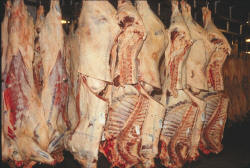 Meat
is expensive and not just in monetary terms. It is
expensive because farm animals process their feed inefficiently.
About 10% or less of the food fed to an animal reared for meat
is converted to meat. The rest of the energy is is lost largely
through respiration, generating heat (the vast majority of farm
animals are warm blooded) and moving around.
Meat
is expensive and not just in monetary terms. It is
expensive because farm animals process their feed inefficiently.
About 10% or less of the food fed to an animal reared for meat
is converted to meat. The rest of the energy is is lost largely
through respiration, generating heat (the vast majority of farm
animals are warm blooded) and moving around.For every 10 units of (plant based) food energy given to a farm animal, more than 9 are not available for the consumer of that animal who only gets the less than 1 unit left. Whereas the whole 10 units could be gained by directly eating plant food.
Factory farming is more energy efficient and free-range less energy efficient as factory methods are based on the premise of maximum profit while free-range is based on the premise of animal welfare. Free range animals are outdoors where it is colder and they can move around so more animal feed is needed to get them to the appropriate weight.
Eating meat is an extravagance. Much more food is grown to feed the animals than would need to be grown if people ate plant-based food and with all the energy intensive infrastructure needed to feed rear and process the animals, this mean a lot of carbon dioxide is produced. This is without even starting on the rights and wrongs of rearing and eating animals for meat versus being a vegetarian or the environmental impact of cow farts!
Just one day a week (in fact just one day) without meat will have knock-on positive environmental effects as well as knock-on positive health benefits for yourself.
You don't have to become vegan or know the source and provenance of every morsel that passes your lips, just don't eat so much meat. Beef and lamb are the least environmentally friendly meats, chicken is most and then pork, though all meat is less environmentally friendly than eating plant sources of protein.
Good for You
Spend less.
Eat more healthily.
Try new foods/recipes.
Good for Everyone
Less animal suffering, however you do it as fewer
are killed.
Lots and lots less carbon dioxide
released into the atmosphere.
Get More Effective Lighting and Use it Less
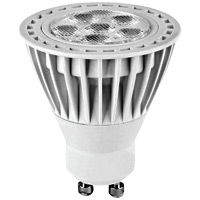 We're
all aware of energy efficient light-bulbs - they started
off with those short coiled fluorescent tubes that use about
a quarter to a fifth of the energy of the incandescent light
bulbs they replaced and lasted longer too. These are now being
superseded by LED lights that use a tenth of the energy of old
fashioned bulbs as they are actually primarily lights unlike
the incandescent bulbs that were primarily heaters that happened
to produce about 10% light too.
We're
all aware of energy efficient light-bulbs - they started
off with those short coiled fluorescent tubes that use about
a quarter to a fifth of the energy of the incandescent light
bulbs they replaced and lasted longer too. These are now being
superseded by LED lights that use a tenth of the energy of old
fashioned bulbs as they are actually primarily lights unlike
the incandescent bulbs that were primarily heaters that happened
to produce about 10% light too.The lifespan of the latest LED lights is in the region of 25,000 hours. While more expensive to buy initially they are considerably cheaper over the life of the bulb. You don't need to throw away all your current bulbs, just remember next time you replace any to get the most energy efficient and as time goes by you'll find yourself having to replace them less often than you used to.
Maybe it's too obvious to say, but turn
lights off where they are not needed, the same goes for all
those appliances you leave on stand-by.
Good for You
Replace light bulbs less frequently as they last longer
and go out far less often.
Spend a lot less cash on your power bills for no loss
of lighting convenience or efficiency.
Good for Everyone
Lots and lots less carbon dioxide released into the atmosphere.
Drink Tap Water - The Great Bottled Water Swindle
 In
the vast majority of the developed world our tap water is more
than clean enough to drink, but somehow we started
to fall for marketing messages that told us to go out and buy
drinking water in bottles and struggle home with all that extra
weight instead of just getting it from the tap.
In
the vast majority of the developed world our tap water is more
than clean enough to drink, but somehow we started
to fall for marketing messages that told us to go out and buy
drinking water in bottles and struggle home with all that extra
weight instead of just getting it from the tap.
Get it from the tap and you will prevent the fossil fuels consumed in making the glass or plastic bottles and transporting them to and from the stores, millions of tonnes of water unnecessarily transported over millions of road-miles. You will also help to avoid all those billions of one-trip plastic bottles needed.
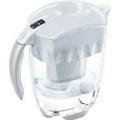
If you want your tap water to be even cleaner, you can get a filter jug, or for greater convenience a water filter under the sink so it comes straight out of the tap super-filtered.
Good for You
Much cheaper than bottled water.
No more carrying big heavy bottles of water from the store.
The water doesn't sit around in
a plastic bottle for months on end (or longer) absorbing
chemicals from the bottle - this is why bottled water
has a use-by date.
Good for Everyone
Huge reduction in pollutant production associated with transport.
Billions of one-trip plastic bottles per year less
to deal with.
Buy Local Food - Grow It Yourself If You Can
 Locally
grown food has less "food miles", it doesn't need
to be transported so far (obvs!) It is much more widely available
than imagined. "Vegetable box" schemes are
popular ways of getting seasonal veg whereby you buy a box of
veg that is delivered once a week or so of whatever veg is in
season, and seasonal veg aren't transported so far and also
don't have the energy costs associated with storage.
Locally
grown food has less "food miles", it doesn't need
to be transported so far (obvs!) It is much more widely available
than imagined. "Vegetable box" schemes are
popular ways of getting seasonal veg whereby you buy a box of
veg that is delivered once a week or so of whatever veg is in
season, and seasonal veg aren't transported so far and also
don't have the energy costs associated with storage.
If you have the space, the best way of all is to grow it yourself, but think carefully about what you will grow. For instance, there is little value of struggling against slugs and weather to get a crop of lettuce that you can't possibly eat quick enough at the time when they are at their cheapest in the shops. Instead try lollo rosso, rocket (arugula) or any of a host of cut-and-come-again salad leaves. Tomatoes are easy in many places and are at their best when taken directly from plant to plate in a few minutes, or plant to mouth in seconds.
Other good vegetables to grow are those that don't travel well when fresh, so the ones in the shops are never as good as home grown, beans of all kinds, courgettes (zucchini) and sweet corn amongst others. Other veg such as carrots and potatoes taste so much better than shop-bought as they are varieties where taste is prioritised rather than shelf-life and resilience to being transported and handled.
Good for You
Tastes better, home grown varieties can prioritize taste over commercial considerations like shelf-life and ease of transport.
Growing your own:Cheaper than shop bought.
Satisfaction in your gardening prowess.
Food that is not contaminated by any chemicals you'd
probably rather it didn't have.
The absolute freshest fruit and veg.
Good for Everyone
No transport costs at all and so no transport emissions.
Less chemicals used which has a direct effect reducing
the amount in circulation.
Biodiversity-friendly as there are no indiscriminate
chemicals that kill everything in their path and not
just the pests.
Ready Meals / TV dinners - don't do it!
 Our
busy lifestyles mean that we have been sold the idea that we
have no time to properly cook or prepare food anymore.
We arrive home late, exhausted and unable to do anything
other than take a packet of something exotic sounding from the
refrigerator - barely able to press the microwave start button
before slumping semi-lifeless in front of the TV.
Our
busy lifestyles mean that we have been sold the idea that we
have no time to properly cook or prepare food anymore.
We arrive home late, exhausted and unable to do anything
other than take a packet of something exotic sounding from the
refrigerator - barely able to press the microwave start button
before slumping semi-lifeless in front of the TV.
OK - 'fess-up time, does that really apply to you? every day? or is it more like a case of taking the path of least resistance? Even if you don't have much time, it doesn't take long to cook proper food and it doesn't need to be exotic.
The problems with ready-meals
-
Lots of packaging.
-
Often twice cooked, once when prepared, then once again by you, energy inefficient and extra cooking removes flavour and degrades nutrients.
-
May contain additives you could do without.
-
Frozen meals require extra resources to keep them frozen in transport and storage.
-
Do you really like them? Go on be honest - they're not that nice really are they?
-
Often unhelthily high in fat, sugar and salt.
What's the alternative? - This is for the unconverted, if you already cook from scratch (or thereabouts) you're already there.
-
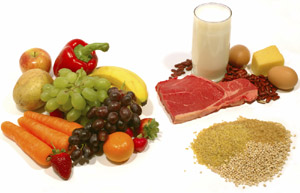
Quality ingredients simply cooked and freshly served out-do food that has sat around for days and been cooked twice.
-
Cheaper than buying ready-prepared food.
-
Roasting a chicken for example will take you about 15mins effort, it will take the chicken an hour and half or so, but that's your time, you don't need to sit there watching it. You don't need the full roasted accouterments either, lots of other simple things you can do with it instead.
-
We are swayed in particular by TV chef's talk of complex and subtle combinations of flavour, there is no more complex flavour than a fresh piece of fruit, veg or meat on its own. Remember to get quality ingredients. Many ready meal sauces are not only needlessly complex, but have flavourings that are needed to compensate for the lower quality ingredients and the fact that it's sat around on the shelf and then your fridge waiting to be cooked - and why do any carbonara-types always repeat on you for hours afterwards?
Good for You
Tastes better, the food is in better condition and has
less preservatives.
Probably healthier as you know exactly what has
gone into what you are eating.
Good for Everyone
Less energy used in preparation as the food is cooked
once, not twice.
Much less packaging, ready meals are one of the
most over-packaged goods in the supermarket.
Less energy used in transport, prepared food in
all that packaging take up far more space meaning more
trucks to ferry them about .
Recycle Stuff
It's becoming easier and easier to do this as recycling facilities become more widespread reducing the need to throw things away to landfill.
Freecycle, Gumtree or your local town, village, city FaceBook page are good places to get rid of stuff you no longer want and as I've found can be far a more convenient way of getting rid of bulky things in particular than arranging transport and disposal yourself.
Good for You
Many local governments are now collecting landfill waste
less often, so if you don't segregate properly,
you'll need to go to the tip to take the stuff that
doesn't fit into the bin any more. Segregate recyclable
waste properly and you won't have to do this.
Get money for unwanted stuff, or get things you want
either cheaper or for free!
Selling borderline quality items can be a pain, giving them away is much easier.
Good for Everyone
Lots less carbon dioxide pumped out into the atmosphere
as much less energy is needed to recycle many materials
ompared to making it anew, aluminium and glass in particular.
Less mining with associated spoil and environmental
degradation needed as less raw materials needed
Recycling something intact saves ALL of the energy and
resources taken to make another one as only one is made
instead of two.
Business Can Help Too
For some reason I don't entirely understand, all of the above often goes instantly out of the window when business is concerned. Here's a few obvious ways that business can help VERY considerably:
1/ Don't assume that it doesn't matter as long as "it's business" - it does - you / they are responsible. At the moment in many cases the polluter doesn't pay, but in reality WE ALL PAY and the polluter is riding on the backs of everyone else. "It's Business" is not a no-blame joker-card, often the effort to improve may be small and the effect large.
2/ Don't have doors open in the winter with a fan heater blowing downwards above the entrance so people can walk in but still feel nice and warm even though the door is wide open. Doors are a very effective low tech means of retaining heat and therefore cutting greenhouse emissions - use them! (it reduces fuel bills too - best described as "overheads" sounds more impressive in corporate-speak!)
3/ You don't really need to have ALL the lights
on ALL night - timer switches will do the job if you
can't be bothered. You'll save on power bills and also
on the life-time of light fittings. Advertising is just not
going to be very effective between about midnight and 8 a.m.
so turn it off!
4/ Office environments don't need to be frigid in
the summer. If you need to put something on to stay
warm when people outside are in t-shirts, then the air-conditioning
dial is in the wrong place.
 Link to this page